

Beyond the average price: The multi-session VWAP strategy for futures traders
If you’ve spent any time in the futures pits (or staring at the NQ 1-minute chart), you’ve likely realized "standard" indicators often lag. At USA Trader Deals, we’re dedicated to finding that edge. While inspired by ASFX, we've evolved foundational concepts into a strategy specifically tuned for high-volatility futures. Today, we're breaking down our 'Session-Stack' VWAP Strategy – a rule-based approach designed to align you with the 'Big Fish' and transform your trading.

Why "standard" VWAP isn't enough for futures
In the S&P 500 (ES) or Nasdaq (NQ) markets, the trading day extends beyond New York's open. Significant volume occurs globally. Relying solely on daily VWAP means missing the Overnight (Globex) Value, which acts as a crucial "hidden" support and resistance. By stacking multiple sessions, we create powerful "confluence zones." When price reacts to these levels, it often signifies institutional rebalancing, not random bounces. This multi-layered perspective is key to understanding true market sentiment.
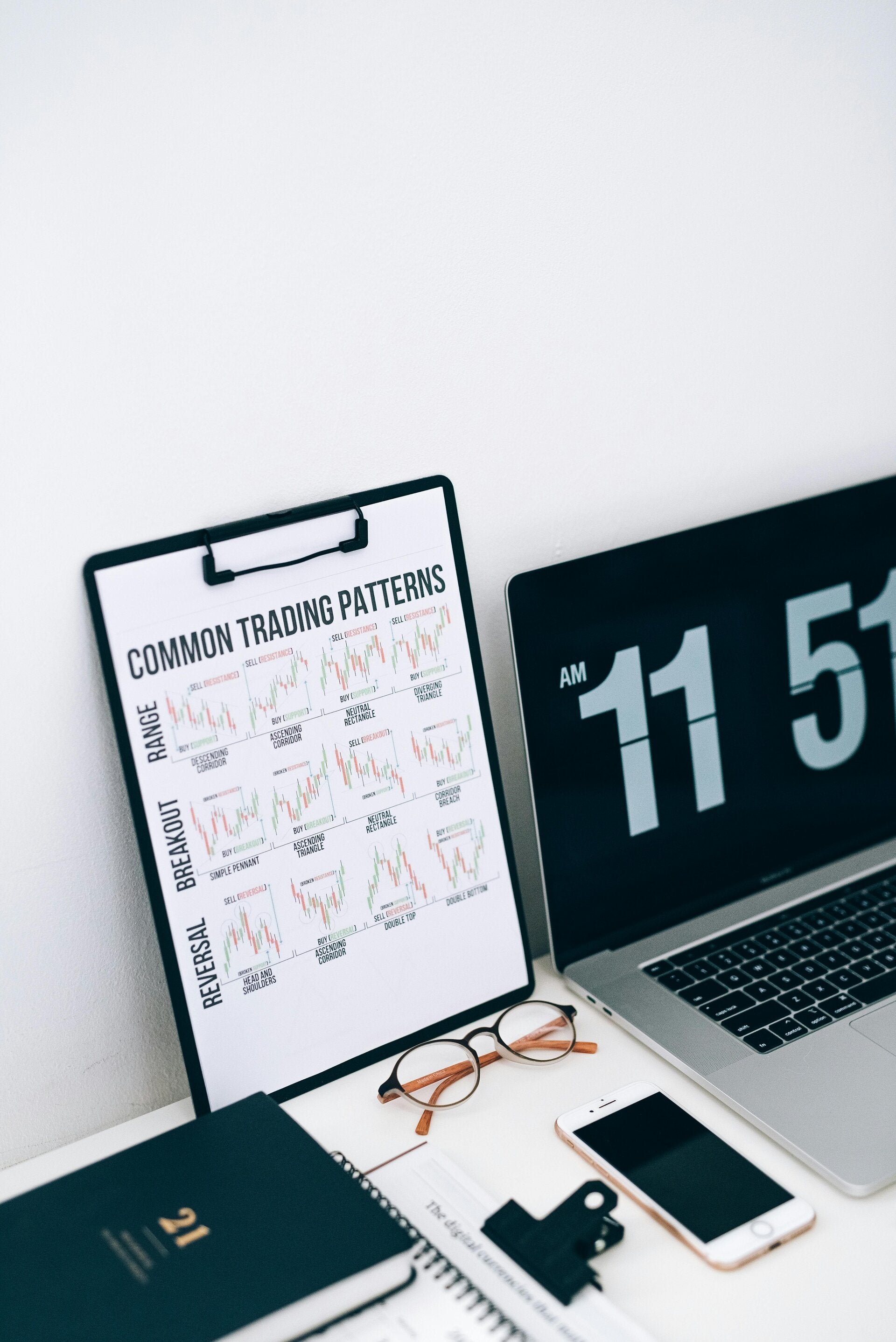
The toolbox: Your chart setup
To effectively implement this futures trading strategy, configure your TradingView or NinjaTrader charts with these precise anchors: The Overnight (OVN) VWAP, anchored to the 6:00 PM EST Globex open, reveals the rest of the world's "fair value." The New York (NY) VWAP, anchored to the 9:30 AM EST cash open, captures where heavy-hitting volume resides. Our momentum ribbon is the 21 EMA, used to filter out "lazy" trades. Additionally, manually place HOD/LOD Anchored VWAPs after the initial morning volatility settles, typically around 10:15 AM EST.

The strategy: The 'double-value' trap
We strategically look for moments when price is compelled to choose between the Overnight Value and the New York Value. Begin by establishing your market bias. If the NY VWAP is positioned above the OVN VWAP, consider a bullish bias. Conversely, if the NY VWAP is below the OVN VWAP, a bearish bias is indicated. If these VWAPs are overlapping or frequently crossing, it signals "chop" – a phase where funded accounts often struggle, so it’s best to remain on the sidelines.
Next, we patiently wait for the market to move away from the NY VWAP and then "reset." Our target is to see price dip back into the "pocket" – the area nestled between the 21 EMA and the NY VWAP. This pullback indicates a potential re-engagement opportunity. For confirmation, we draw from the ASFX playbook: don't just buy a touch. Instead, await a clear directional candle close (an A1 or A2 style trigger) that definitively confirms momentum is returning in line with the established trend. A key "secret sauce" is to observe the High/Low Anchored VWAP. For a "Grade A" setup, if you're going long, ideally price should be bouncing off the Low of Day anchor while simultaneously crossing the 21 EMA, signaling powerful confluence.

Execution: The rule-based framework
Achieving consistency in trading requires a disciplined, systematic approach – being a robot, not a gambler. Before every execution, follow this checklist diligently: First, verify the Time of Day; are we within the "Golden Window" between 9:45 AM and 11:30 AM EST? Second, assess "The Stack"; is price holding above both the NY and OVN VWAPs for a long position? Third, perform an RSI Check; has the RSI "reset" to the 50-line during the pullback, preventing you from buying at the top? Finally, critically evaluate your Risk/Reward; does your stop, placed 2 ticks behind the nearest VWAP anchor, offer at least a 2:1 reward potential to the next Standard Deviation band?

Final thoughts: The edge is in the discipline
The common pitfall for traders using VWAP is treating it as a "magic line." It’s not. It’s a sophisticated map of volume-weighted interest. Our USA Trader Deals modification – layering the Overnight sentiment with the New York volume – transforms your approach. You’re no longer just trading a line; you’re trading the profound psychology of market participants and gaining an institutional perspective. This strategy, a modified evolution of foundational technical analysis and entry triggers originally taught by ASFX, adapts their momentum-based EMA principles into a unique multi-session framework specifically for the intraday Futures market. The ultimate edge lies in your consistent discipline.